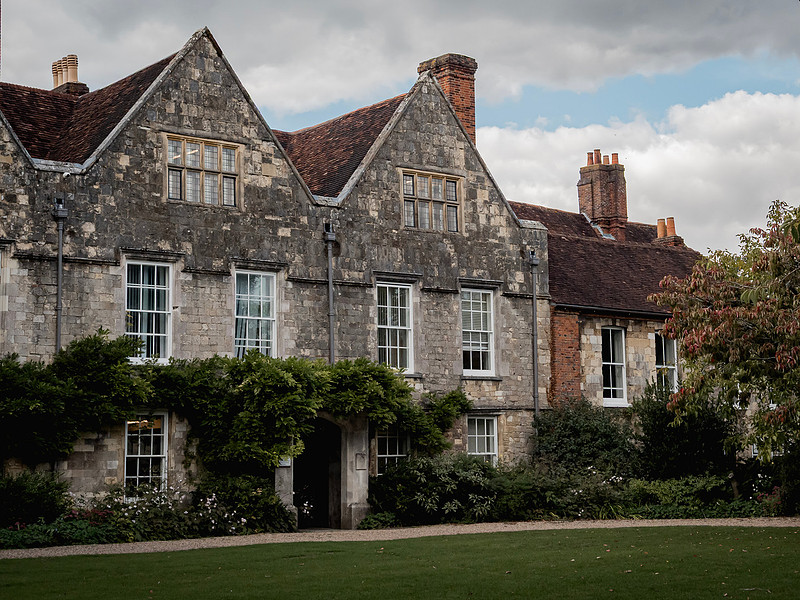
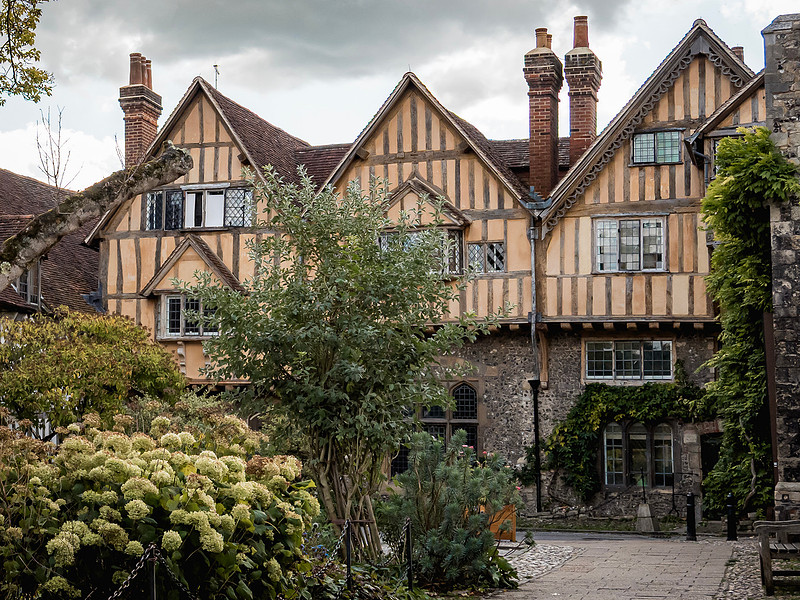
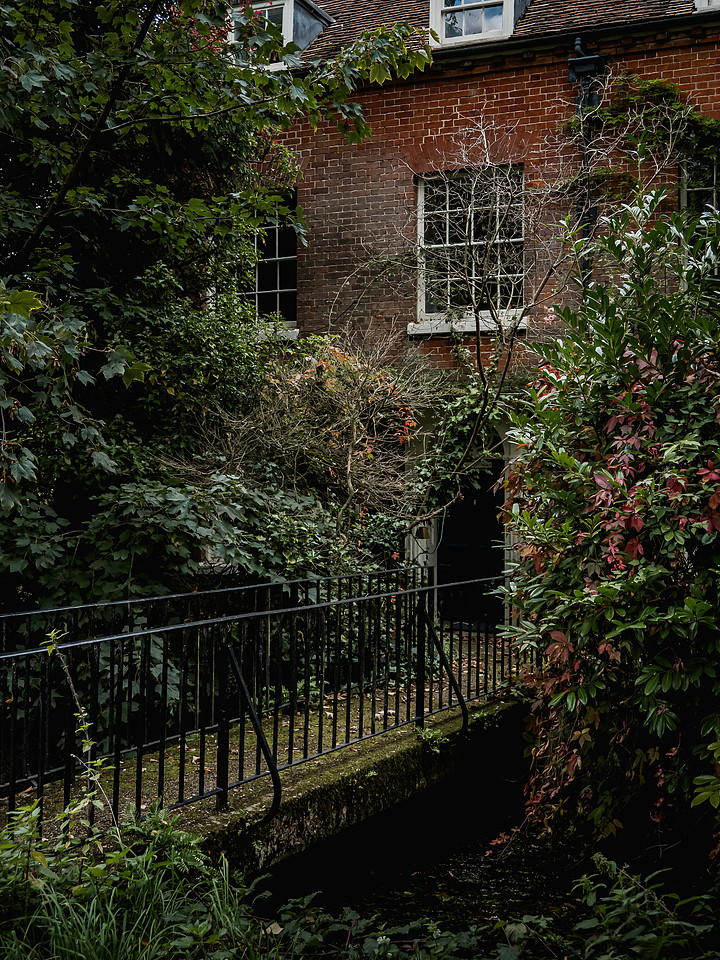
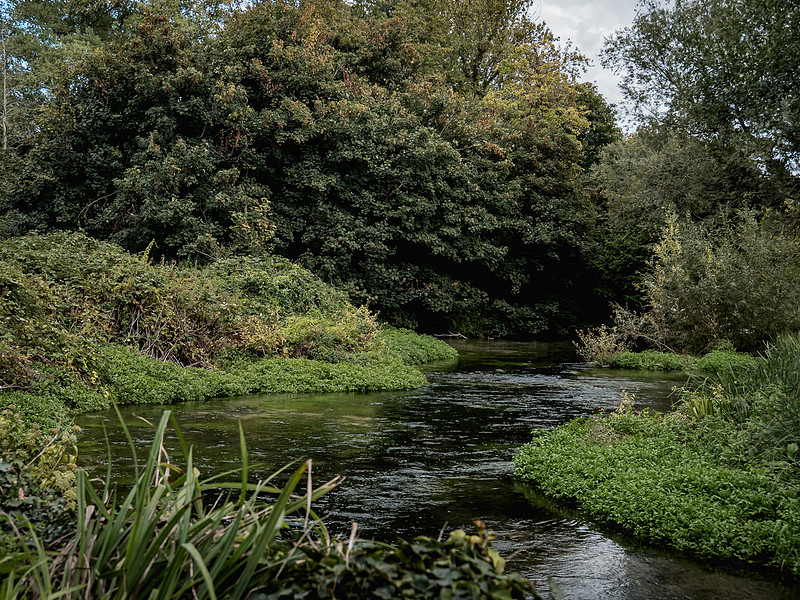
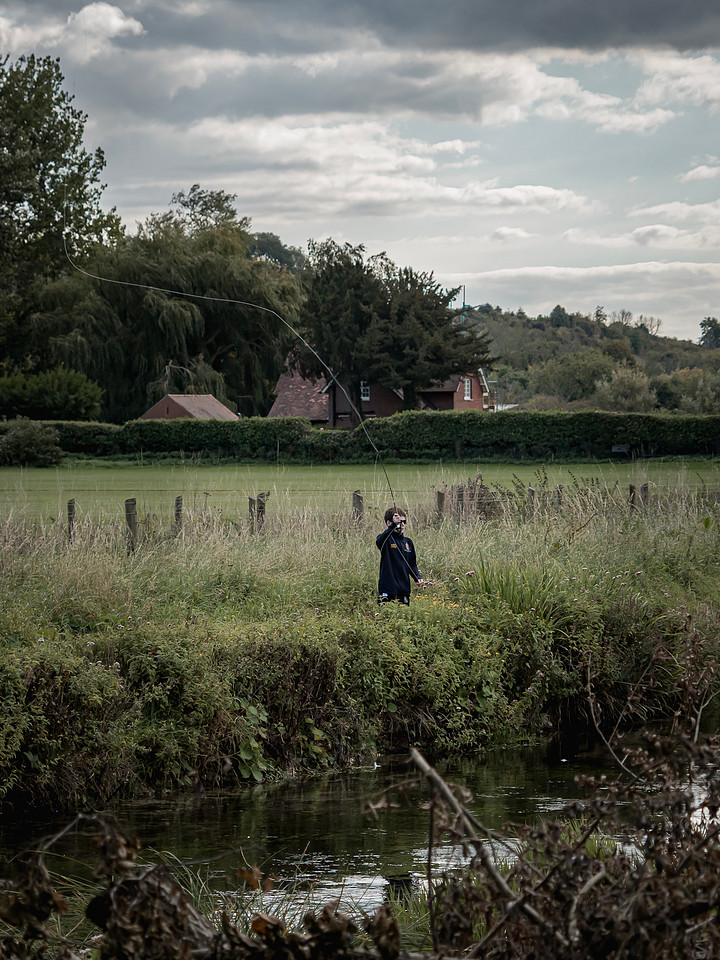
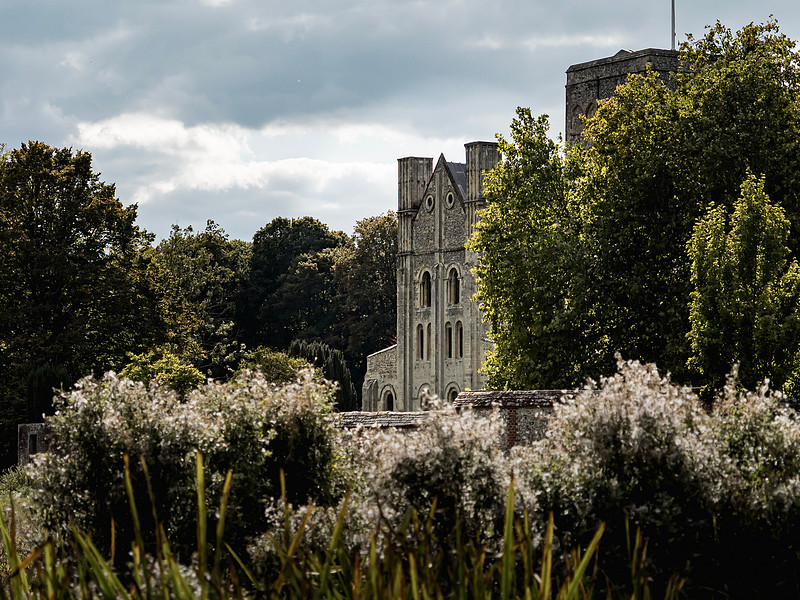
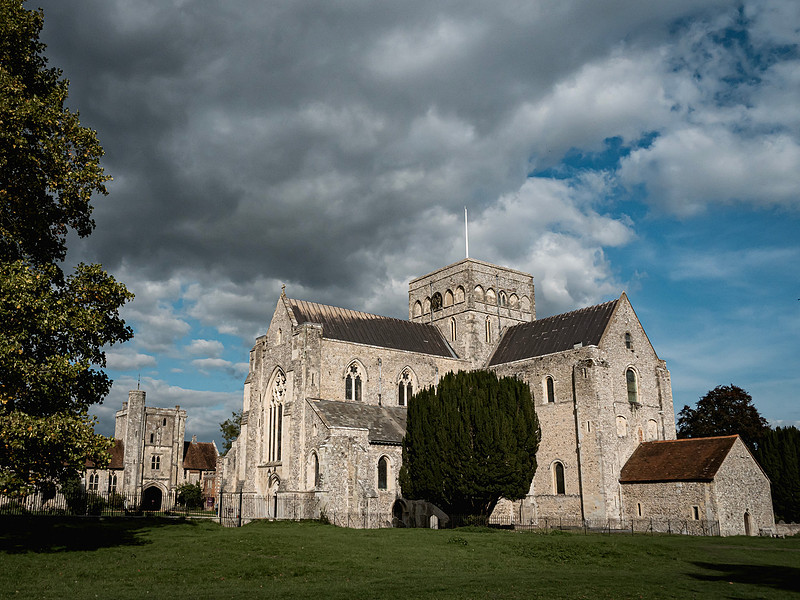
A September Stroll with Keats: Winchester in Light and ShadowOn September 19, 1819, John Keats wrote his poem "To Autumn" as he walked from south from the city of Winchester to St Cross Hospital. I retraced Keats' footsteps 208 years later walking his same path letting the city’s layered beauty unfold in rhythm with the poet’s own reflections. The walk began in the shadow of Winchester Cathedral, where two young figures sat quietly on a bench, dwarfed by the grandeur of Gothic spires and stained glass. It was a moment of scale and stillness - human presence humbled by centuries of stone. From there, the path led past vine-covered buildings and timber-framed Tudor homes, each one whispering stories of survival. On College Street, a lively tour group gathered beneath leafy shade, listening intently to a guide whose attire added a splash of whimsy to the historic setting near the residence of the Bishop of Winchester. Crossing the Itchen, I paused at a secluded brick house, half-hidden by overgrowth and framed by a narrow bridge. It felt like a portal - half-forgotten, half-inviting. The river itself was a ribbon of calm, winding through dense greenery, reflecting the season’s slow Further along, a lone fly fisher cast his line beneath a brooding sky, while a spotted cow grazed in a field nearby, illuminated by a shaft of light that pierced the clouds. The walk ended near St. Cross, where historic towers rose once more, framed by trees and late-summer blooms. On my return to Winchester, the late afternoon sun highlighted the beech trees on top of St. Catherine's Hill and the front of the cathedral. Keats called Winchester “the pleasantest town I ever saw.” On this walk, it was more than pleasant - it was poetic, pastoral, and quietly profound. A day of light, shadow, and lyrical stillness. GEAR FEATURED IN THIS POST
|